Why Does Hearing Become More Difficult with Age?
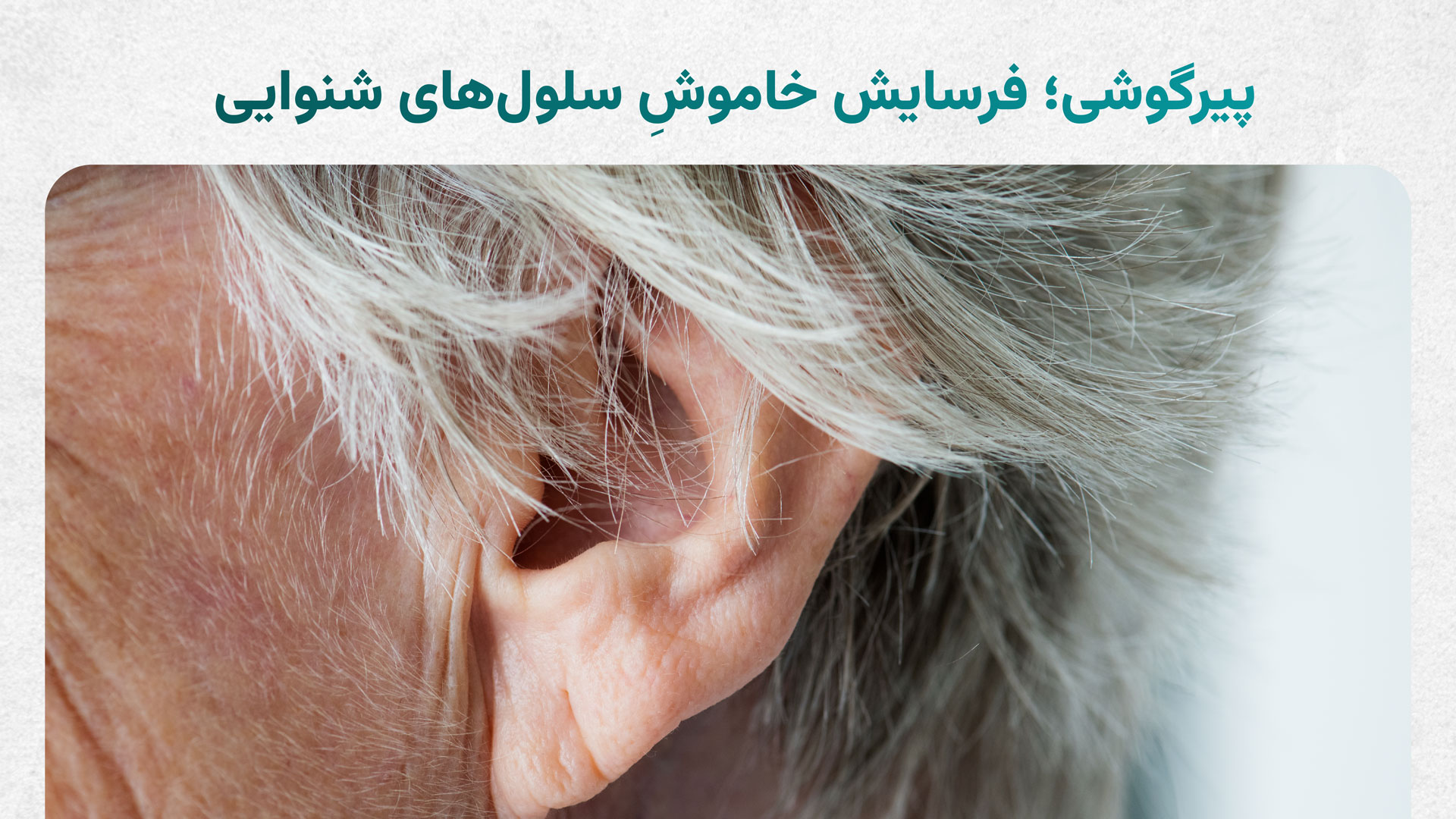
Presbycusis, or age-related hearing loss, is a natural physiological process associated with aging. But have you ever wondered which part of the auditory system is primarily affected?
What Happens Inside the Ear?
Presbycusis primarily affects the inner ear. Over time, and following prolonged exposure to everyday environmental sounds, the delicate sensory hair cells within the cochlea gradually deteriorate. Because these specialized receptor cells have little to no regenerative capacity, their ability to convert sound vibrations into neural signals progressively declines.
As a result, individuals often experience difficulty hearing high-frequency sounds first, followed by challenges in understanding speech, particularly in noisy environments where distinguishing words from background noise becomes increasingly demanding.
Early Intervention Matters
Although there is currently no pharmaceutical treatment capable of reversing presbycusis, early intervention can play a critical role in maintaining auditory function. Modern intelligent hearing aids help preserve auditory stimulation by keeping neural pathways between the ear and the brain actively engaged, thereby supporting speech comprehension and reducing the impact of auditory deprivation over time.
At Hayat Medisa Teb, we support audiology professionals through advanced hearing technologies and specialized laboratory services. Our goal is to help restore clarity of sound and improve communication outcomes for individuals experiencing age-related hearing loss.