
In modern hearing aids, even the smallest components can have a significant influence on overall performance and user satisfaction. Among these components, wax guards (filters) serve as the primary protective barrier against contamination and debris, playing a vital role in maintaining sound quality and device longevity.
Why Is Timely Wax Guard Replacement Essential?
Preventing Acoustic Blockage
Earwax (cerumen) accumulation around the receiver outlet can obstruct the sound pathway, leading to a noticeable reduction in sound quality or, in severe cases, complete loss of audio output. Regular replacement of wax guards helps ensure uninterrupted sound transmission and optimal hearing aid performance.
Protecting Sensitive Electronic Components
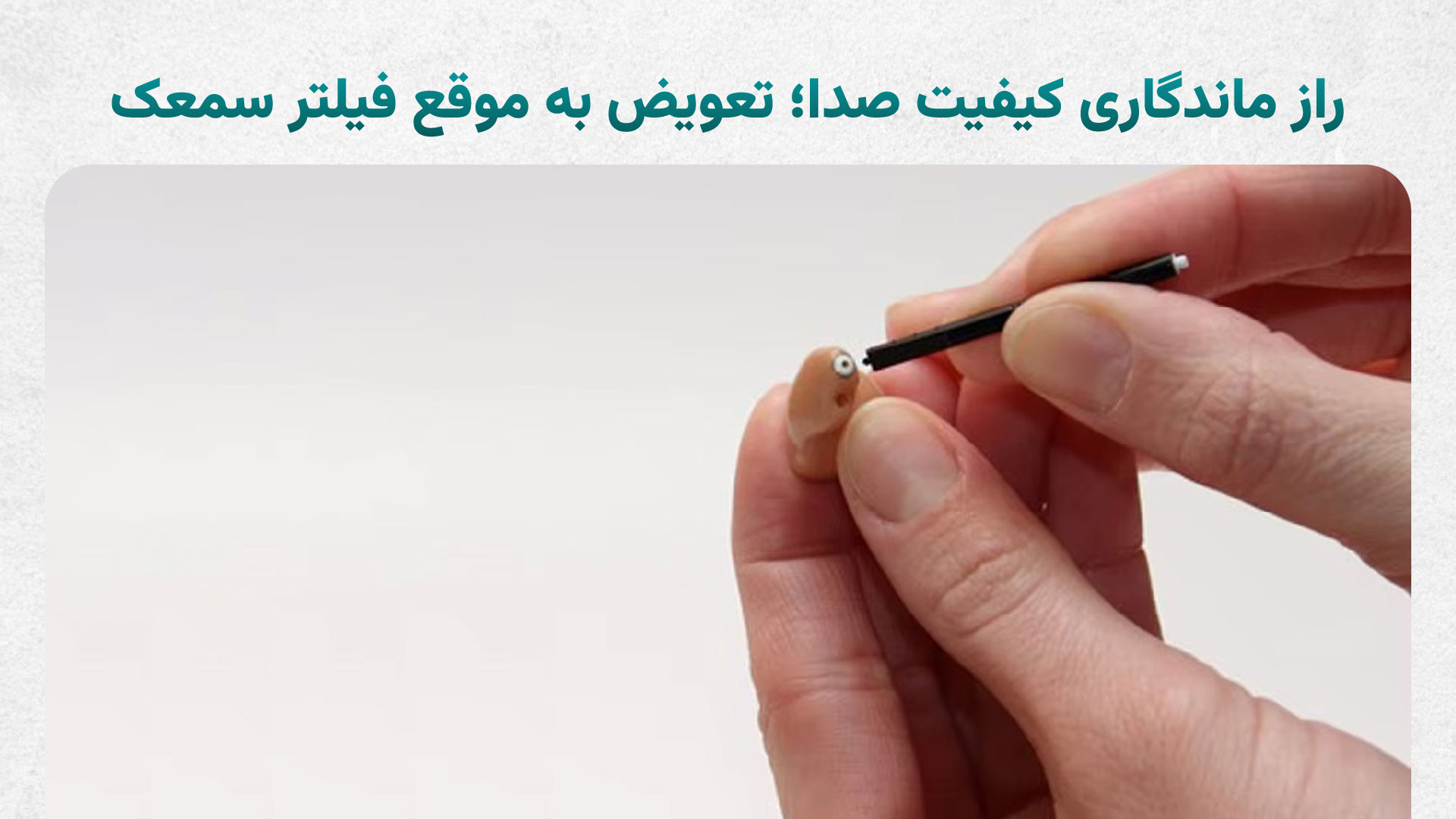
Wax guards are specifically designed to prevent earwax and other contaminants from reaching the delicate internal structures of the receiver. Once these substances bypass the filter and enter the receiver assembly, they can cause substantial structural damage that often necessitates costly component replacement.
Reducing Long-Term Maintenance Costs
Replacing a wax guard is a simple, preventive, and cost-effective maintenance procedure. Routine replacement can significantly reduce the likelihood of major repairs, helping both users and hearing care professionals avoid unnecessary service expenses.
How Often Should Wax Guards Be Replaced?
The replacement interval depends largely on an individual’s earwax production and hearing aid usage patterns. However, routine weekly inspection of the wax guard is strongly recommended to identify early signs of blockage and maintain consistent device performance.
At Hayat Medisa Teb’s specialized laboratory, we support hearing care professionals and users by supplying genuine Unitron accessories and replacement components. Our commitment is to help ensure optimal performance, reliability, and extended service life for hearing devices.