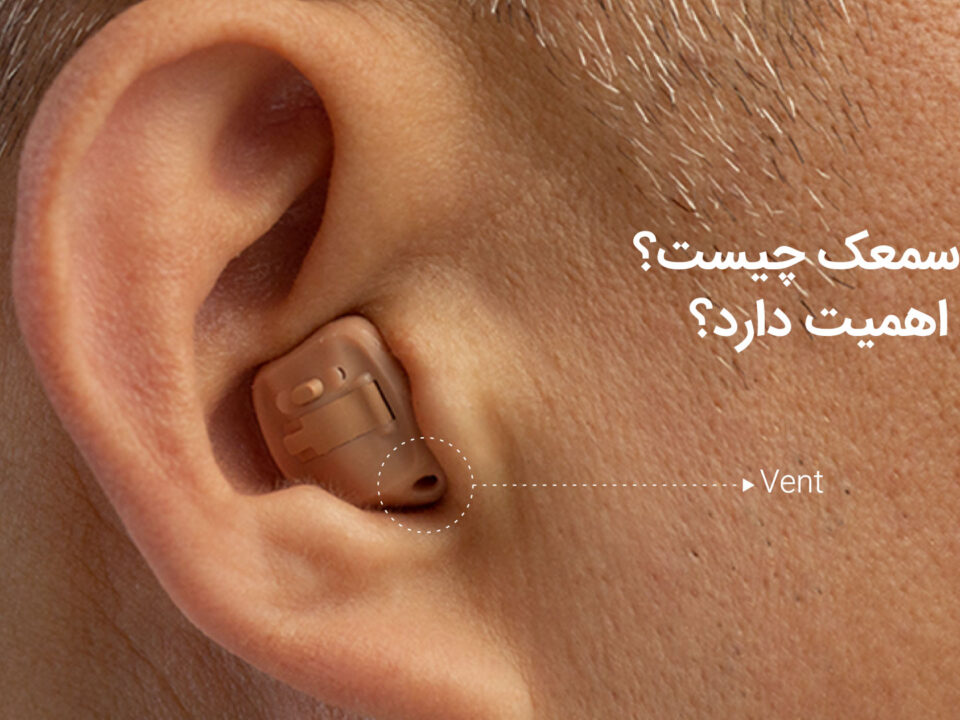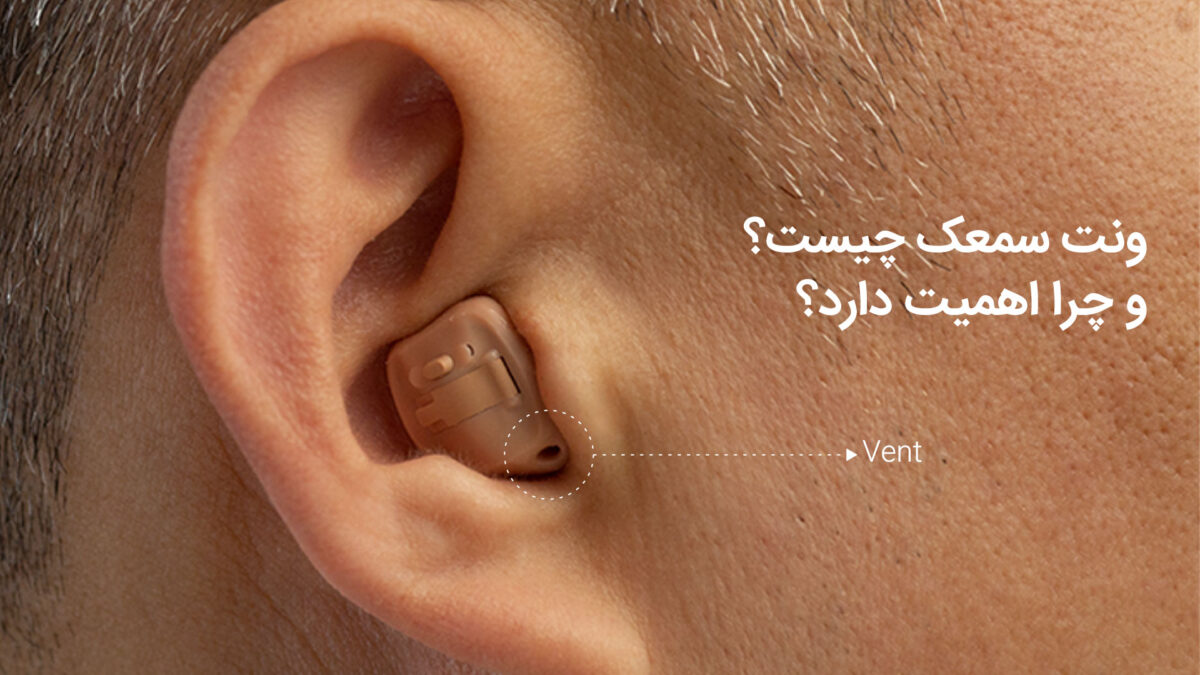

An ear mold serves as the interface between the hearing aid and the user’s ear, playing a key role in proper sound transmission, feedback prevention, and ensuring a secure fit in the ear canal.
The type of ear mold should be selected based on the anatomy of the ear, degree of hearing loss, user needs, and the type of hearing aid.
Common Ear Mold Types by Design and Function:
🟣 Full Shell
-
Covers the entire concha
-
Suitable for moderate to severe hearing loss
-
Provides high retention, effective feedback reduction
-
Relatively larger and more visible
🟣 Half Shell
-
Covers half of the concha
-
Ideal for elderly users or those with dexterity issues
-
Lighter than Full Shell, but less effective at feedback reduction
🟣 Canal & Canal Lock
-
Fits inside the ear canal (with or without locking feature)
-
Suitable for mild to moderate hearing loss
-
Less visible, more discreet
-
Less suitable for severe hearing loss
🟣 Skeleton / Semi-Skeleton
-
Open design with a retaining ring in the auricle
-
Provides better ventilation and greater comfort for active users
-
Requires precise molding for optimal performance
Key Consideration:
An improper or inaccurate ear mold can lead to:
-
Reduced acoustic performance of the hearing aid
-
Occurrence of feedback
-
Physical discomfort
-
Rejection of the hearing aid by the user
Therefore, precise ear molding by a qualified audiologist and correct mold selection are critical factors for successful hearing rehabilitation.