With its Swiss engineering heritage, advanced digital innovation, and strong focus on user experience, Unitron is one of the world’s leading hearing technology manufacturers. The company’s ergonomic designs and intelligent signal processing deliver clear, natural sound while adapting seamlessly to everyday listening environments.
Although Unitron hearing aid model names may initially appear complex, they actually follow a logical naming system. Once you understand this structure, you can identify a hearing aid’s style, technology generation, battery type, and performance level simply by looking at its model name.
The standard Unitron naming convention follows this format:
[Product Family / Style] + [Technology Platform] + [Technology Level] + [Battery Type / Features]
1. Product Families (Form Factors)
The first part of the model name identifies the physical style of the hearing aid.
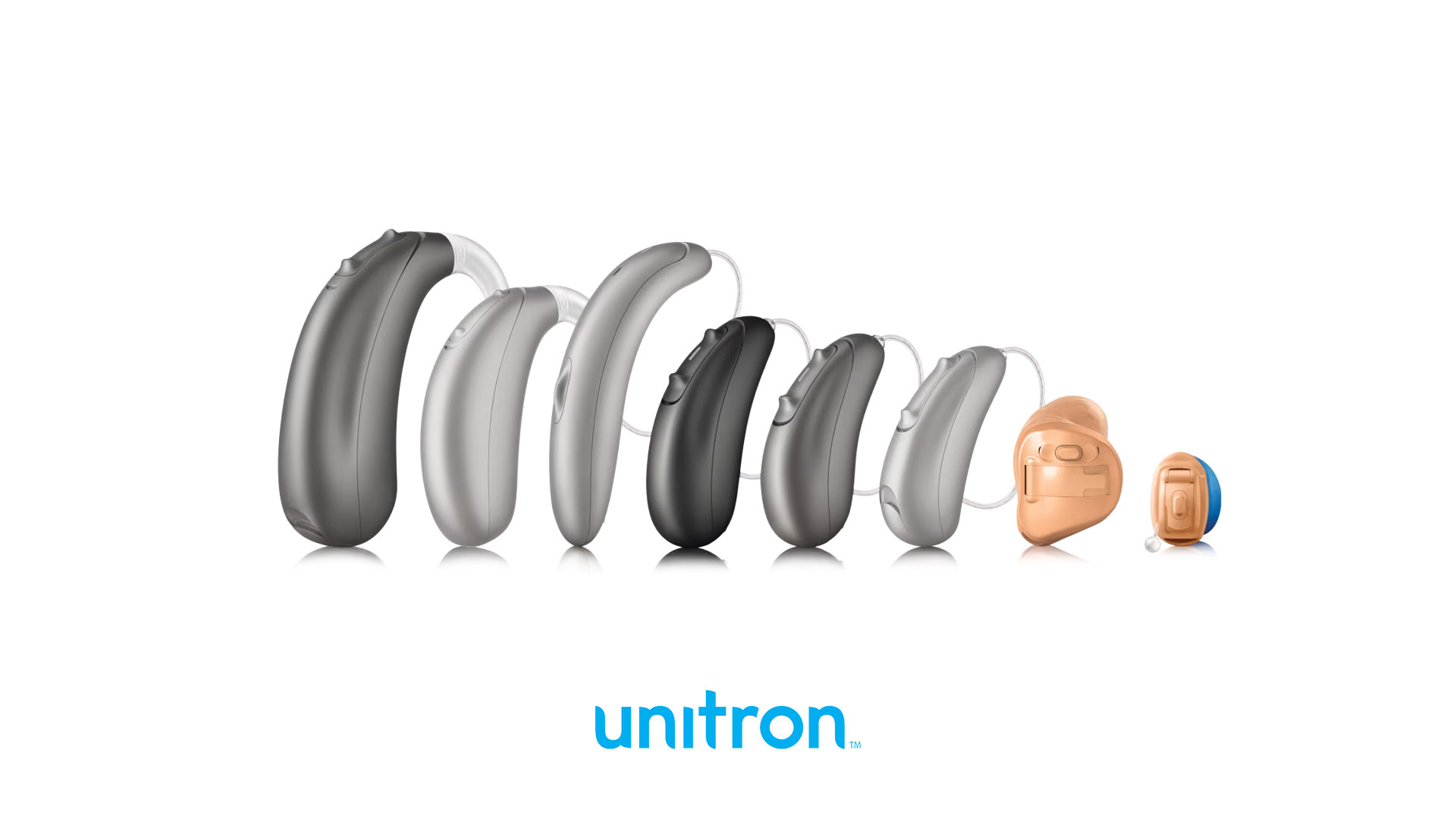
Moxi
Moxi models are Receiver-in-Canal (RIC) hearing aids. These are Unitron’s most discreet behind-the-ear devices, with the main housing resting behind the ear while a thin receiver wire delivers sound directly into the ear canal.
Stride
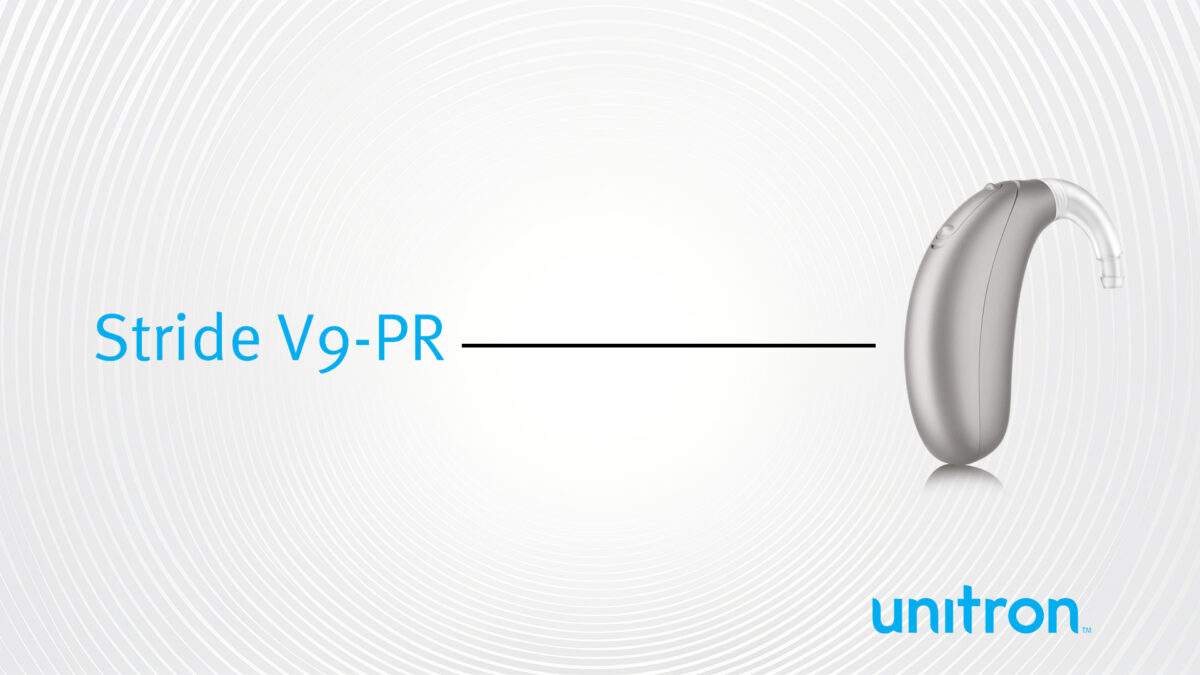
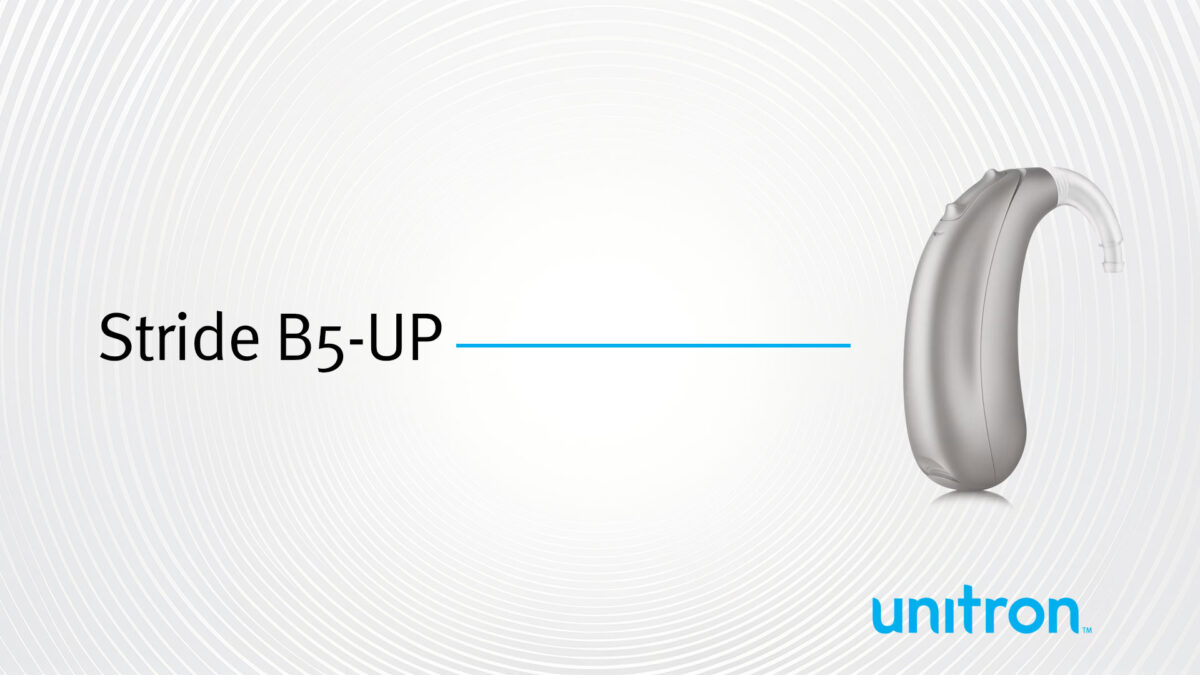
Stride models are traditional Behind-the-Ear (BTE) hearing aids. Designed for durability and higher amplification, sound is delivered through a custom earmold using a standard acoustic tube.
Insera
Insera represents Unitron’s family of custom in-the-ear (ITE) hearing aids. Each device is individually manufactured from an impression of the wearer’s ear and is available in styles ranging from Invisible-in-the-Canal (IIC) to Full Shell.
Max
Max hearing aids are Super Power and Ultra Power BTE devices designed for individuals with severe to profound hearing loss. Their larger housing accommodates more powerful amplifiers and larger batteries.
2. Technology Platforms (Processing Generations)
The letter following the product family identifies the hearing aid’s processing platform—the core technology responsible for sound processing and intelligent features.
S (Smile)
The newest Unitron platform, Smile, is powered by the advanced ERA chipset and Integra OS operating system. Key innovations include:
- Significantly improved Bluetooth connectivity (up to six times stronger than previous generations)
- Outstanding resistance to moisture and environmental conditions
- HyperFocus speech enhancement for demanding listening environments
- Reduced listening effort and cognitive fatigue
V (Vivante)
The Vivante platform focuses on speech understanding in complex listening situations through technologies such as:
- AutoFocus 360
- Advanced directional microphone systems
- Improved speech clarity in noisy environments
B (Blu)
The Blu platform introduced a major advancement in wireless connectivity by offering:
- Direct Bluetooth streaming for both Android and iOS devices
- Personalized hearing adjustments through the Unitron mobile app
- Enhanced wireless communication and streaming performance
DX / D (Discover Next)
The Discover Next platform emphasizes natural sound quality and improved speech perception using SoundCore Technology, helping users distinguish speech nuances and emotional cues more effectively.
T (Tempus)
The Tempus platform was designed to improve processing speed and provide better adaptation to changing acoustic environments.
3. Technology Levels and Processing Channels
The number following the platform letter indicates the hearing aid’s technology level, software capabilities, and number of processing channels.
While hearing aids within the same product family often share identical hardware, their software features and signal-processing capabilities vary according to technology level.
| Technology Level | Performance Tier | Processing Channels | Main Features |
|---|---|---|---|
| 9 (Premium) | Premium | 20 | Highest level of automation with the most advanced speech enhancement features. Optimizes listening across 7 listening environments on Blu and 8 environments on Vivante and Smile platforms. Provides superior speech understanding in noise, accurate sound localization, excellent music performance, and a dedicated in-car conversation program. |
| 7 (Advanced) | Advanced | 20 | High-performance automatic adaptation across 6 listening environments. Improves speech understanding from the front and sides, includes automatic music detection, and offers dedicated vehicle listening programs. |
| 5 (Standard) | Standard | 16 | Reliable performance across 4 common listening environments with effective support for both quiet and moderately noisy situations. |
| 3 (Essential) | Essential | 12 | Entry-level automatic processing for 2 listening environments. Includes Remote Plus app compatibility and supports audio streaming and tap-control features, depending on model. |
| 1 (Basic) | Basic | 12 | Fundamental hearing support with manual listening programs and basic Remote Plus app functionality. Advanced automatic programs and optional app features are not available. |
Automatic Listening Programs
Depending on the technology level, hearing aids can automatically recognize and adapt to environments such as:
- Quiet conversation
- Small group conversations
- Music
- Speech in noise
- Crowded environments
- High-noise situations
- Quiet environments
- General background noise
Higher technology levels support more listening environments and provide smoother automatic transitions between them.
4. Battery Types and Suffixes
Suffixes, typically separated by a hyphen, indicate the hearing aid’s power source and additional hardware features.
R (Rechargeable)
A rechargeable hearing aid with an integrated lithium-ion battery.
10, 312, 13, 675
These numbers indicate the size of the disposable zinc-air battery.
- Size 10: Smallest battery
- Size 312: Most common for Bluetooth-enabled non-rechargeable hearing aids
- Size 13: Larger capacity
- Size 675: Largest battery, primarily used in Super Power hearing aids
T (Telecoil)
Indicates the presence of a built-in telecoil for improved compatibility with compatible telephones and hearing loop systems installed in public venues.
P / SP / UP
These suffixes identify the power level of Stride hearing aids:
- P: Power
- SP: Super Power
- UP: Ultra Power
5. Decoding Unitron Model Names: Practical Examples
Once you understand the naming convention, interpreting any Unitron model becomes straightforward.
Example 1: Unitron Moxi S 9-R
- Moxi: Receiver-in-Canal (RIC) hearing aid
- S: Smile platform with the latest ERA chipset
- 9: Premium technology level with 20 processing channels
- R: Rechargeable battery
Result: Unitron’s most advanced rechargeable RIC hearing aid, designed for users who demand exceptional performance in challenging listening environments.
Example 2: Unitron Stride V 7-UP
- Stride: Behind-the-Ear (BTE) hearing aid
- V: Vivante technology platform
- 7: Advanced technology level with 20 processing channels
- UP: Ultra Power model for profound hearing loss
Result: A powerful, intelligent hearing aid designed for individuals with severe to profound hearing loss who require excellent speech understanding in noisy environments.
Example 3: Unitron Insera B 1-312
- Insera: Custom in-the-ear hearing aid
- B: Blu platform
- 1: Basic technology level with 12 processing channels
- 312: Disposable size 312 battery
Result: An affordable custom hearing aid suitable for users with basic listening needs, particularly in quiet home environments.