

One of the most common concerns reported by individuals with hearing loss is not simply, “I can’t hear sounds,” but rather, “I can’t understand what people are saying in noisy environments.” Speech understanding in noise becomes challenging when the brain must simultaneously distinguish the target speech signal from competing background sounds. With hearing loss, critical frequency and temporal cues that contribute to speech clarity may be reduced or lost, making communication significantly more difficult.
Why Are Noisy Environments More Challenging?
🟣 Reduced clarity of consonant sounds (such as /s/, /sh/, /f/, and /t/), which carry essential information for distinguishing words and understanding speech.
🟣 Decreased ability to separate speech from background noise, particularly in situations where multiple people are speaking at the same time.
🟣 Listening fatigue, as the brain must work harder to fill in missing information and interpret speech, leading to increased mental effort and earlier exhaustion.
🟣 In some individuals, reduced central auditory processing abilities may limit speech clarity even when sounds are amplified, meaning that louder does not always mean clearer.
What Can Help?
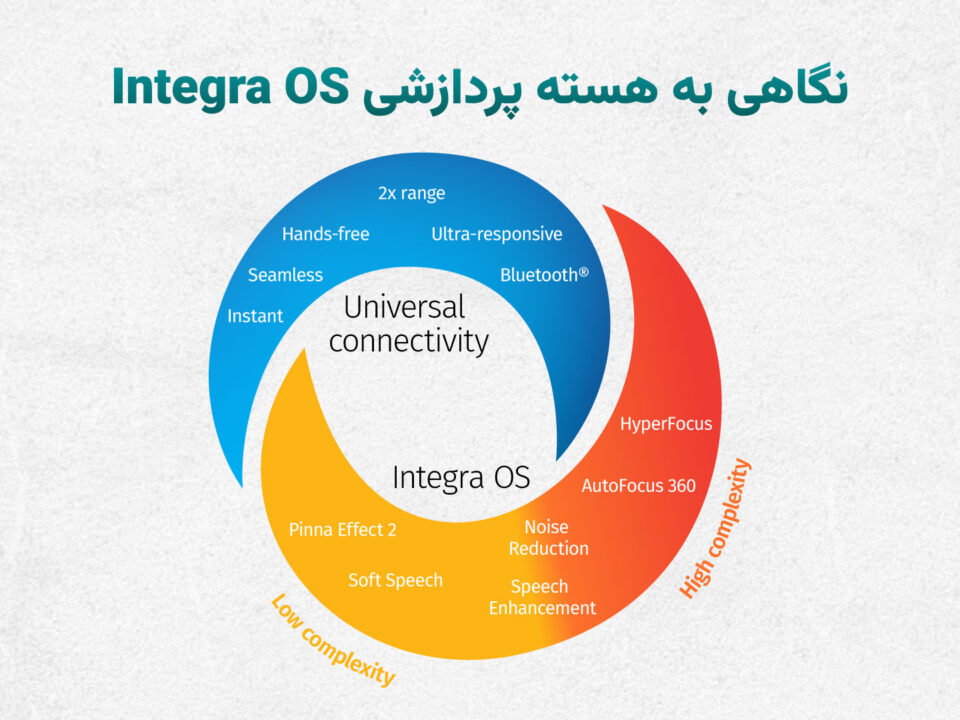
🟢 Professional hearing aid optimization for speech-in-noise performance, including directional microphones, advanced noise reduction technologies, and feedback management systems.
🟢 Assistive listening devices, such as remote microphones and wireless communication systems, which can improve speech access in meetings, restaurants, and other challenging listening environments.
🟢 Strategic positioning, such as sitting with your back to a wall, away from major noise sources, and closer to the primary speaker.
🟢 Simple communication strategies, including asking conversation partners to speak clearly, face you while speaking, and repeat the entire message rather than a single word when clarification is needed.