



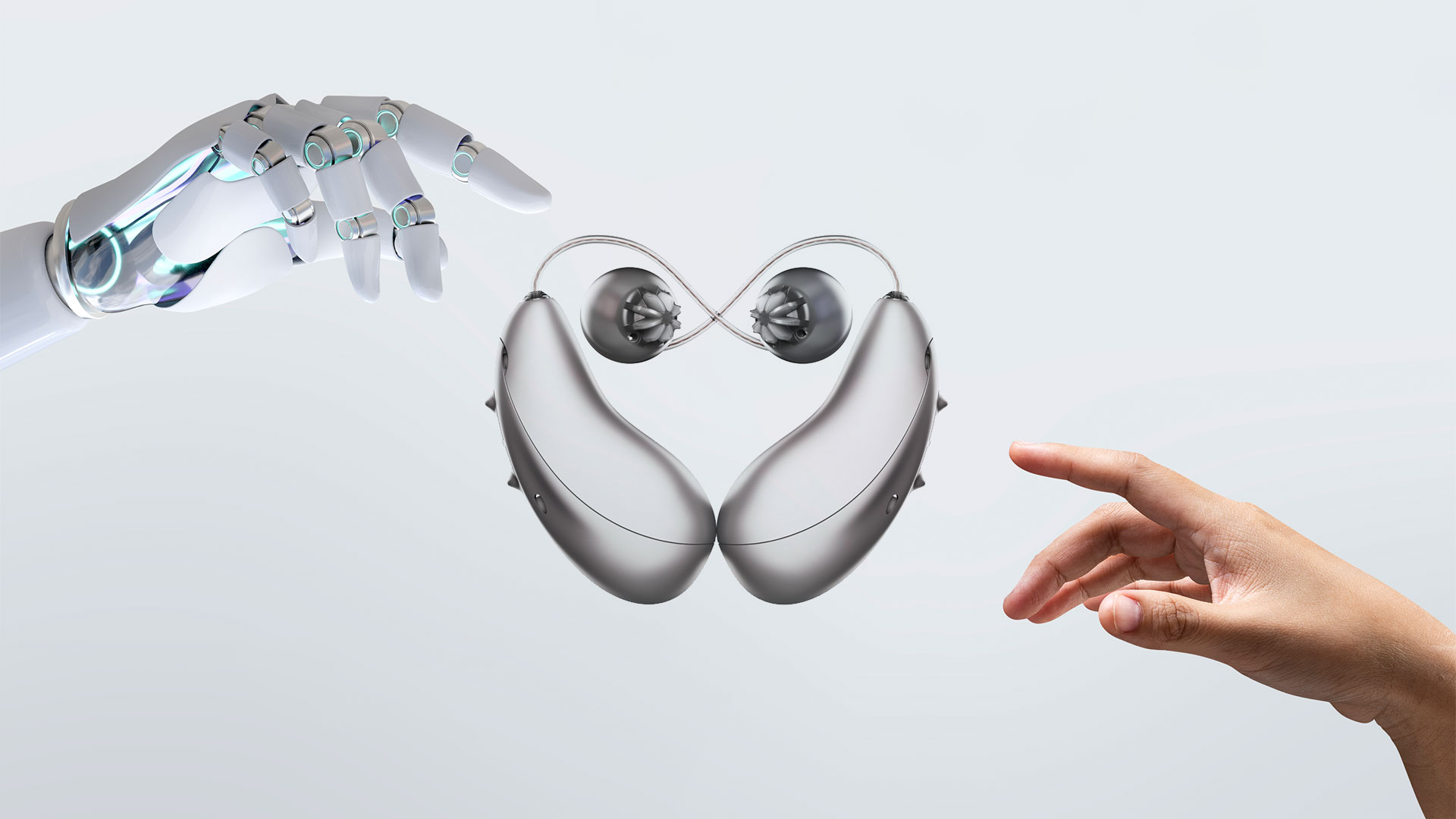
The hearing care industry has made remarkable progress in developing technologies that empower clinicians to make more informed, data-driven decisions. As artificial intelligence (AI) continues to evolve, it is playing an increasingly important role in shaping the future of hearing healthcare. This article explores how AI and data analytics are transforming the way hearing professionals deliver care and optimize patient outcomes.
Artificial Intelligence as a Powerful Clinical Assistant
As modern hearing aids become increasingly sophisticated, they generate vast amounts of data about users’ everyday listening experiences. One of the greatest challenges is presenting this information to hearing care professionals in a meaningful and actionable way.
Artificial intelligence can serve as an intelligent recommendation engine by analyzing these data patterns and identifying situations in which users experience listening difficulties. Based on these insights, AI can suggest hearing aid adjustments and optimization strategies, enabling clinicians to provide more precise and effective care.
Ratings Systems and Personalized Hearing Care
For AI systems to deliver meaningful recommendations, they require direct feedback regarding the success of hearing aid settings in real-world situations.
Many hearing aid applications now include real-time rating features that allow users to record positive and negative listening experiences as they occur. By combining user feedback with AI-driven analysis, hearing care professionals can personalize hearing aid settings more efficiently, reducing reliance on traditional trial-and-error approaches and improving patient satisfaction.
Reducing Stigma and Encouraging Technology Adoption
Despite significant advances in hearing aid design and performance, many individuals who could benefit from amplification still hesitate to seek treatment or wear hearing devices.
By helping users achieve a more satisfying listening experience sooner, AI has the potential to improve acceptance and long-term adoption of hearing aids. At the same time, the widespread popularity of wireless earbuds and the growing use of ear-based health technologies for monitoring vital signs—such as heart rate and blood oxygen levels—are normalizing the use of in-ear devices and helping reduce the social stigma historically associated with hearing aids.
Empowering Users Through Smart Applications
As smartphone adoption continues to increase among hearing aid users, individuals are gaining greater control over their listening experience.
Modern hearing aid applications allow users to adjust volume, optimize speech clarity, and manage device settings with ease. The development of intuitive, user-friendly interfaces, combined with the integration of lifestyle and wellness data such as physical activity tracking, is creating a more connected and personalized hearing care experience.
Conclusion
The integration of artificial intelligence into hearing healthcare represents far more than a technological advancement. Its ultimate purpose is to help hearing care professionals improve the lives of their patients in meaningful and measurable ways.
Ongoing innovation in AI, data analytics, and hearing technology continues to drive the development of solutions that deliver greater efficiency, confidence, and personalization in hearing care. As these technologies evolve, they will play an increasingly important role in helping individuals achieve better hearing, improved communication, and a higher quality of life.


