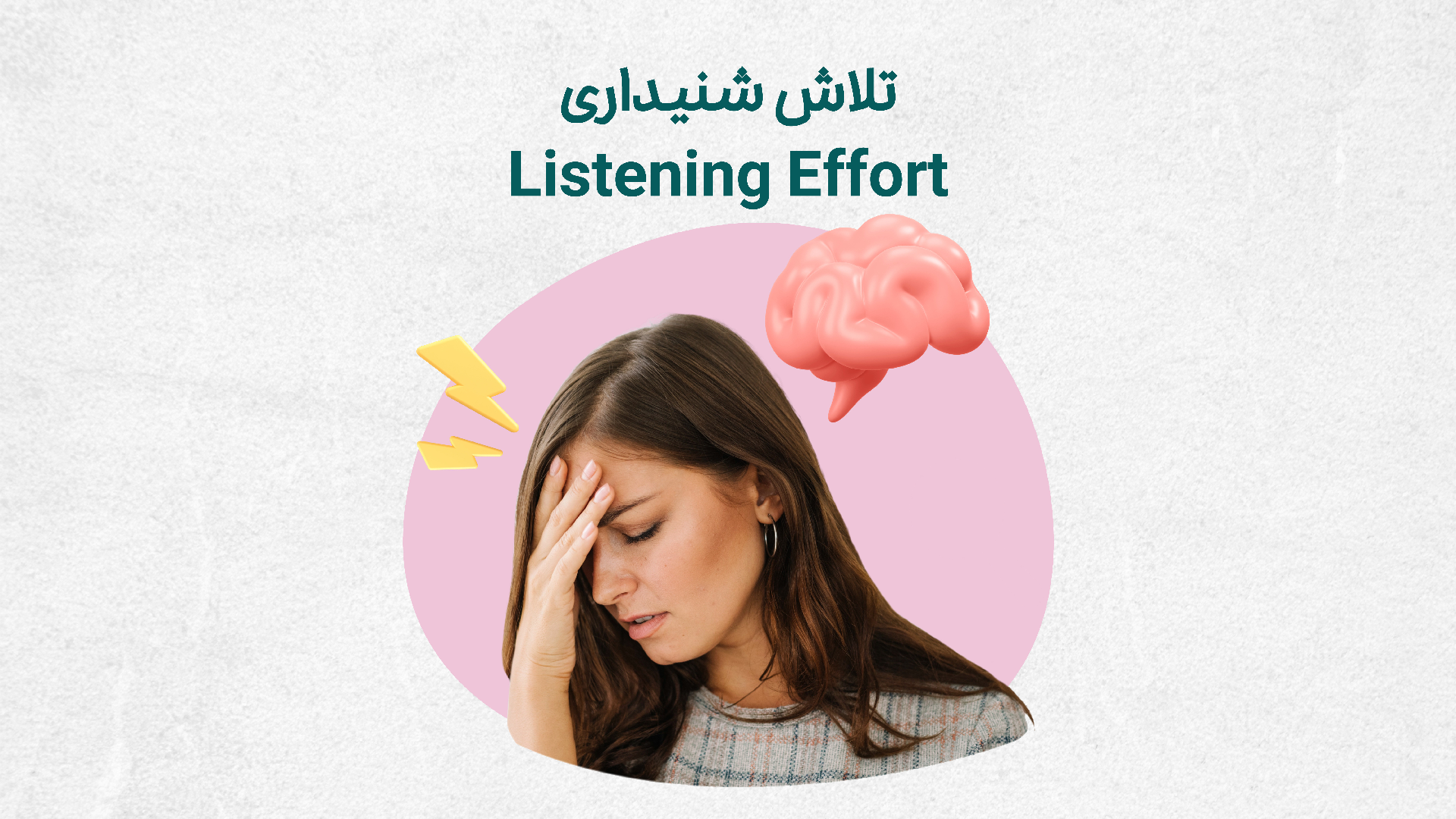
Listening effort refers to the amount of mental and cognitive energy the brain expends to understand an auditory message. Hearing is often assumed to be an automatic process; however, behind the scenes, the brain is continuously engaged in processing, selecting, filtering, and interpreting sounds.
When listening conditions are optimal—such as a one-on-one conversation in a quiet environment—the cognitive demand is relatively low. However, as background noise increases, multiple speakers talk simultaneously, or hearing loss is present, the brain must increasingly rely on cognitive resources such as attention, working memory, and linguistic prediction to comprehend speech.
This sustained use of cognitive resources leads to listening fatigue, reduced patience, irritability, decreased concentration, and in some cases, social withdrawal. This explains why many individuals with hearing loss experience profound fatigue even after brief conversations.
Importantly, elevated listening effort is not solely an auditory issue; it is a quality-of-life concern. When individuals are constantly required to invest excessive mental energy to understand communication, their social interactions and mental well-being are inevitably affected.
The solution lies in accurate assessment, appropriate auditory rehabilitation, and, in many cases, the use of smart hearing aids. The goal of hearing loss treatment is not merely to make sounds audible, but to enable comfortable, stress-free understanding. Ultimately, hearing should be natural, fluent, and effortless.