
In modern audiology, the performance of a hearing aid depends on far more than sophisticated software algorithms. Exceptional sound quality is achieved through the seamless integration of advanced software and powerful hardware. Even the most intelligent signal-processing algorithms can only perform at their full potential when supported by a high-performance digital processor.
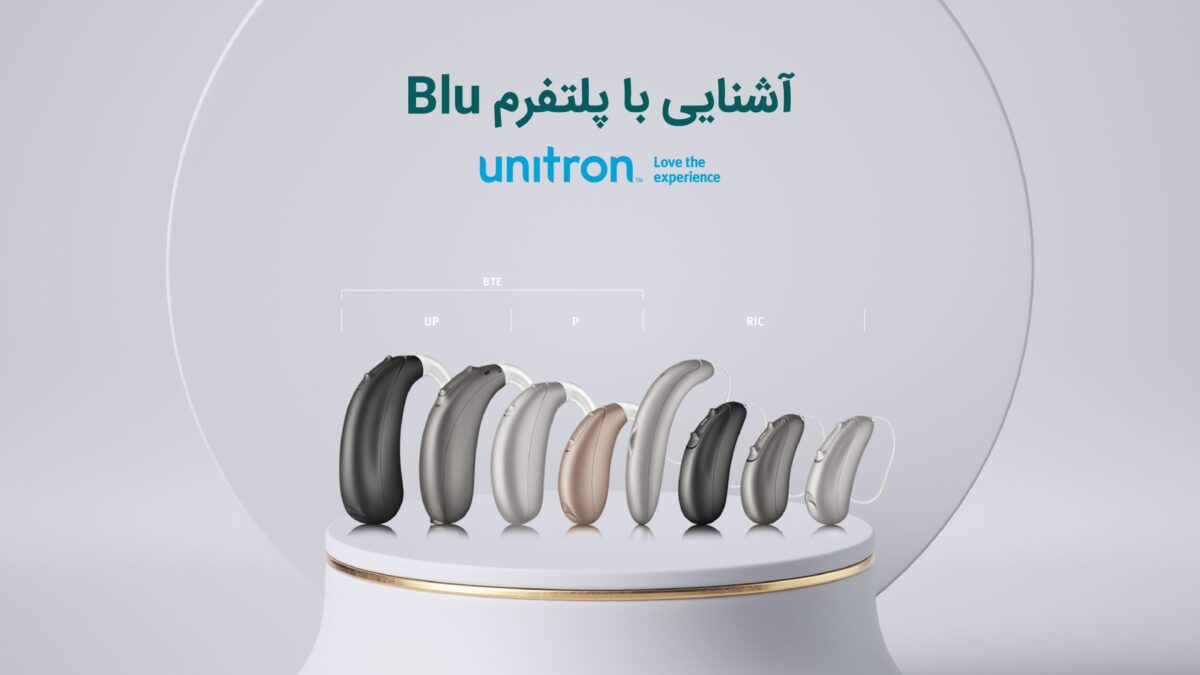
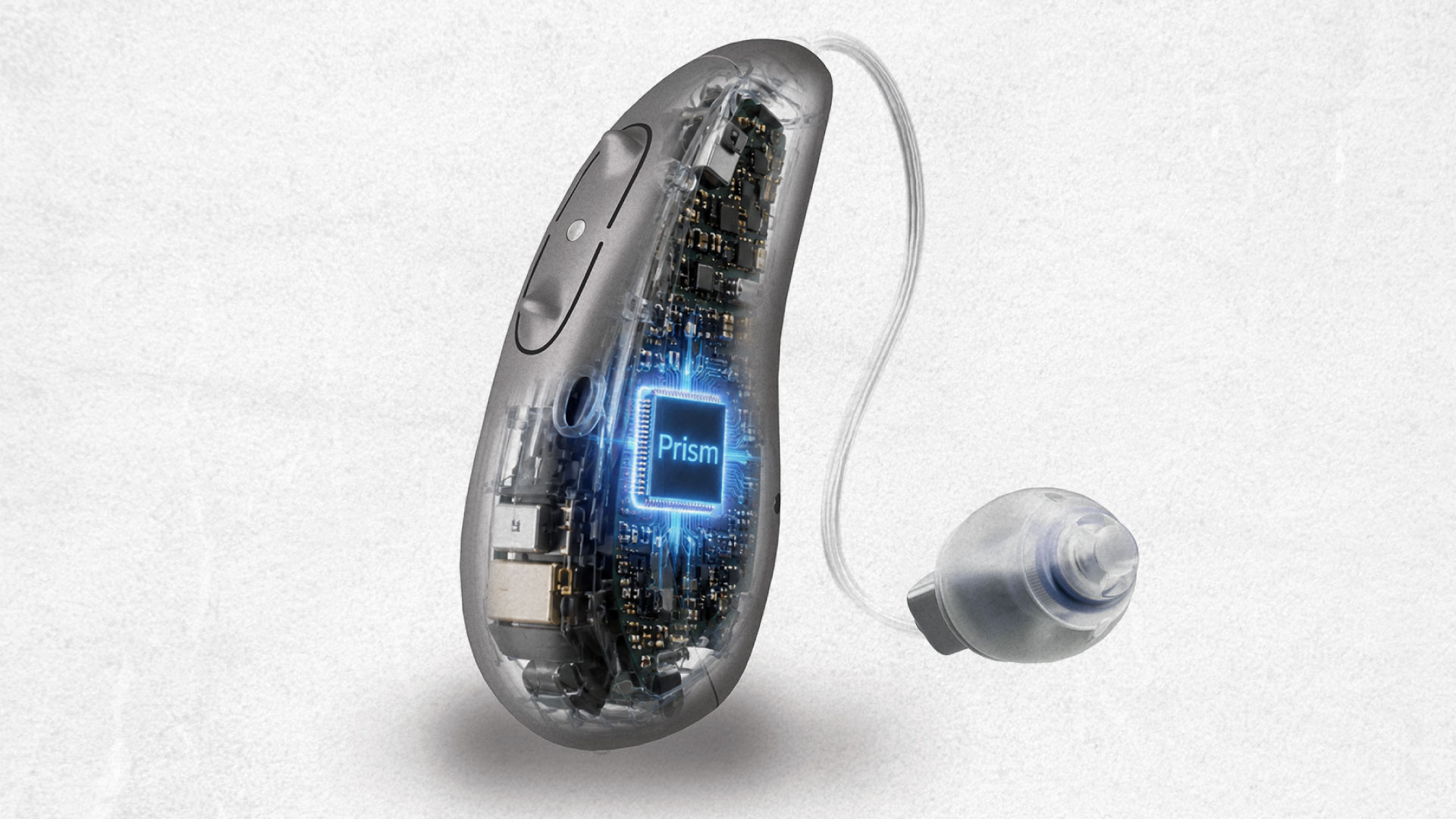
PRISM is the digital signal processing architecture at the core of Unitron’s latest hearing aid platforms, including Blu, Vivante, and the newest Smile platform. It is responsible for real-time audio signal processing, intelligent algorithm execution, wireless communication management, and binaural synchronization between hearing aids.
In this article from the Scientific Department of Hayat Medisa Teb, we take a closer look at the PRISM processor architecture and its role in delivering a more natural, stable, and intelligent hearing experience.
1. What Is the PRISM Processor?
PRISM is Unitron’s proprietary Digital Signal Processor (DSP) used throughout its latest generation of hearing aids.
Designed with an optimized architecture, PRISM provides the computational power required to simultaneously execute advanced sound processing algorithms, classify acoustic environments, manage wireless communication, and coordinate binaural processing.
Its key architectural features include:
High Processing Performance
The PRISM architecture is capable of running multiple signal-processing algorithms simultaneously while maintaining extremely low latency. This enables rapid system response and consistent performance across a wide range of listening environments.
Efficient Power Management
PRISM has been engineered to deliver high computational performance while minimizing power consumption. This energy-efficient design contributes to longer battery life, particularly in rechargeable hearing aid models.
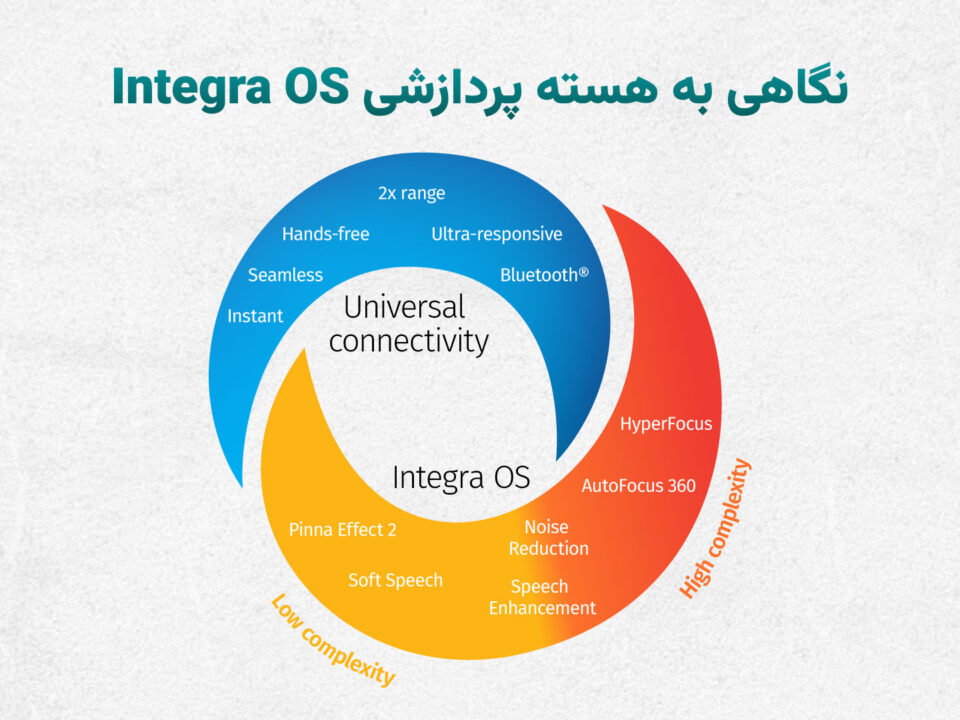
2. The Processing Foundation of Integra OS
PRISM serves as the hardware platform on which Integra OS, Unitron’s proprietary operating system, operates.
Integra OS continuously analyzes the acoustic environment in real time and automatically adjusts hearing aid parameters to optimize listening performance as environmental conditions change.
The processing capabilities of PRISM enable features such as:
- Automatic classification of multiple listening environments
- Smooth and seamless transitions between listening programs (Blending) without abrupt changes in sound quality
- Simultaneous execution of noise reduction, speech enhancement, and adaptive feedback management algorithms
- Wireless communication management and direct audio streaming from compatible smart devices
3. A Unified Hardware Architecture Across Technology Levels
One of the distinguishing characteristics of Unitron’s product design philosophy is the use of a shared processing architecture across all technology levels.
Rather than employing entirely different processors for different product tiers, hearing aids within the same platform are built upon the common PRISM architecture. Differences between technology levels primarily reflect variations in software functionality, enabled features, and algorithm sophistication—not the underlying processor itself.
This approach ensures that even entry-level users benefit from:
- Reliable digital signal processing
- Responsive system performance
- Stable wireless connectivity
- Consistent hardware reliability
while higher technology levels unlock additional processing capabilities through more advanced software.
4. Binaural Processing
Natural human hearing depends on the continuous cooperation of both ears and the brain’s ability to integrate auditory information from each side.
PRISM supports advanced binaural processing by enabling real-time communication between the left and right hearing aids.
This synchronized processing allows:
- Coordinated adjustments across both hearing aids
- More accurate directional microphone performance
- Enhanced speech focus in noisy environments on models equipped with AutoFocus 360
- Improved sound localization and spatial awareness
The result is a more balanced and natural listening experience that closely resembles normal binaural hearing.
5. Direct Connectivity
Beyond audio processing, PRISM also manages wireless communication.
The processor supports both Bluetooth® Classic and Bluetooth® Low Energy (LE) technologies, enabling seamless connectivity with a wide range of electronic devices.
Key connectivity features include:
- Simultaneous connection to two active devices
- Direct streaming of phone calls, music, podcasts, and other audio from compatible smartphones, tablets, and computers
- Intelligent switching between audio sources without requiring manual reconnection
These capabilities allow users to transition smoothly between everyday listening situations while maintaining uninterrupted connectivity.
Conclusion
The PRISM processor is one of the most important hardware components in Unitron’s latest generation of hearing aids. By providing substantial computational power, it enables the sophisticated real-time processing capabilities of Integra OS, including intelligent environmental adaptation, advanced speech enhancement, adaptive noise reduction, wireless communication, and binaural synchronization.
The adoption of a common PRISM architecture across all technology levels also reflects Unitron’s commitment to delivering consistent processing quality, dependable performance, and modern connectivity throughout its entire product portfolio.
By combining advanced hardware with intelligent software, the PRISM architecture plays a central role in providing hearing aid users with a more natural, stable, and personalized listening experience.