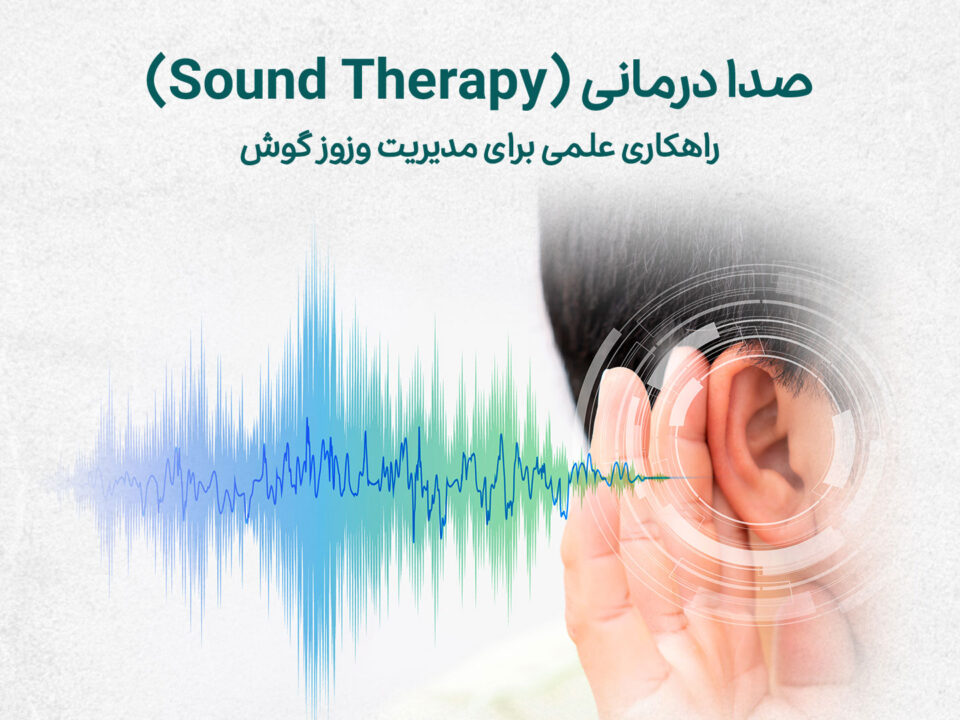
Central Auditory Processing Disorder (CAPD) is a condition in which the peripheral auditory system (outer and inner ear) functions normally, but the brain has difficulty processing and interpreting auditory information. This challenge becomes particularly evident in noisy environments, where speech understanding is significantly impaired.
Research indicates that hearing aids can support individuals with CAPD not merely by amplifying sound, but through the application of advanced signal-processing technologies.
🟣 Evidence-Based Hearing Aid Approaches in CAPD Management:
🟢 Background noise reduction:
Modern hearing aids employ sophisticated algorithms to identify and reduce unwanted background noise while preserving speech signals. This enhances the signal-to-noise ratio (SNR), enabling the brain to focus more effectively on the target speech.
🟢 Adaptive directional microphones:
These technologies automatically adjust the directionality of sound input to emphasize the primary speech source while attenuating surrounding noise. This significantly reduces cognitive load, as the brain is no longer required to exert excessive effort to filter irrelevant auditory information.
Through these evidence-based approaches, hearing aids can function as therapeutic tools in the management of CAPD. The ultimate goal is not simply to make sounds louder, but to improve the quality, clarity, and organization of auditory signals so that the brain can process information more efficiently and accurately.