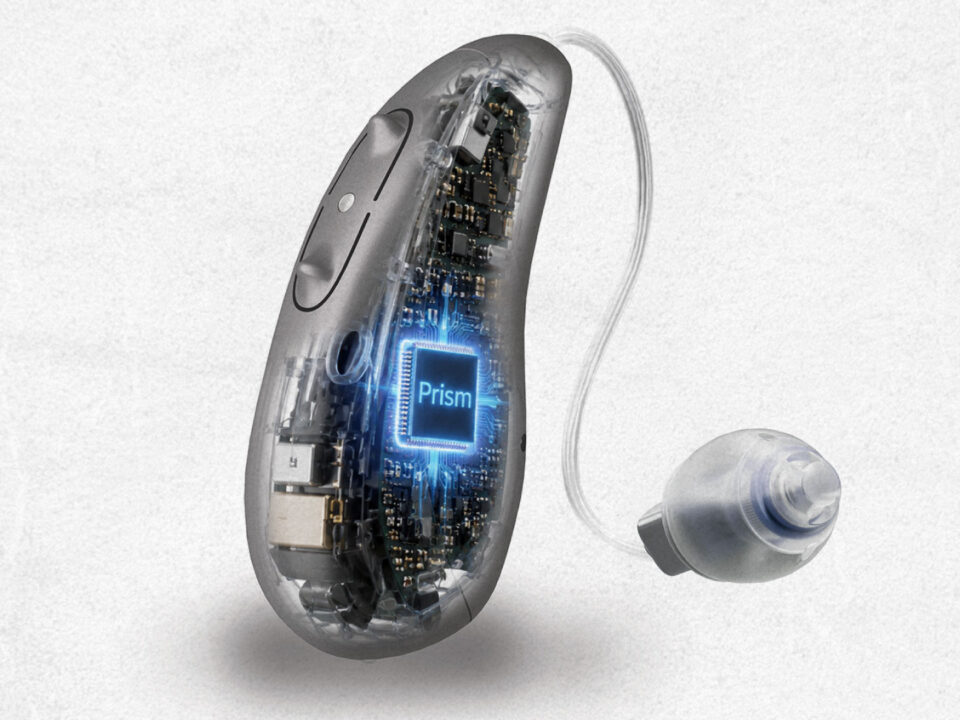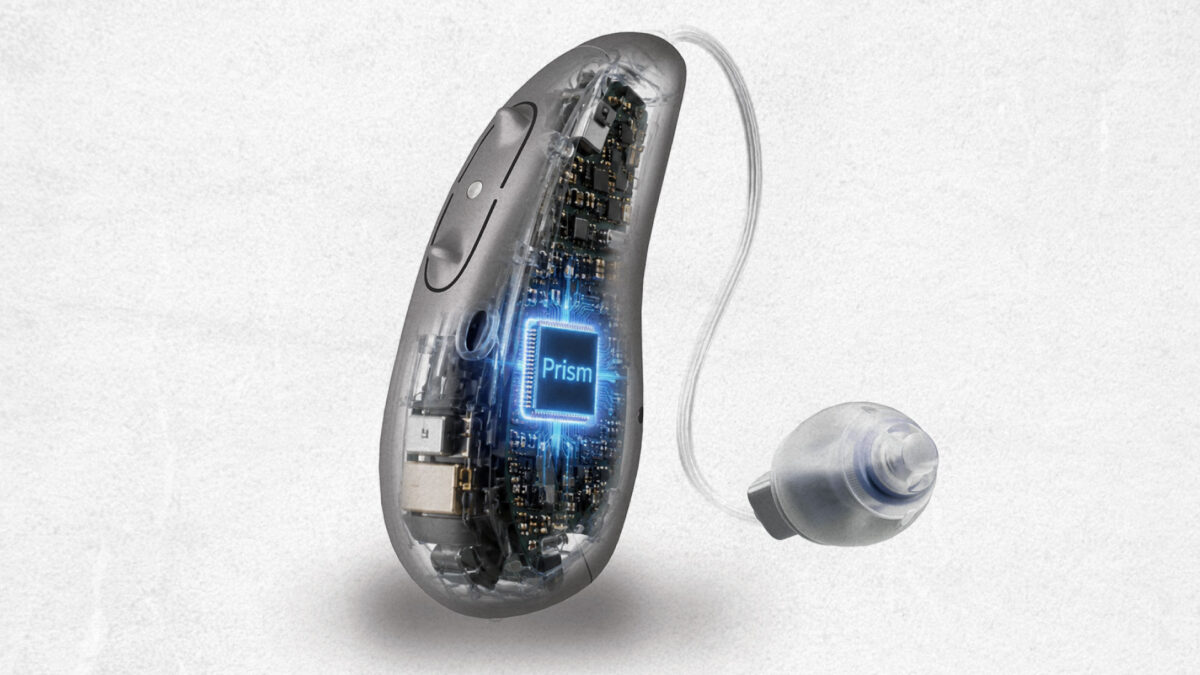

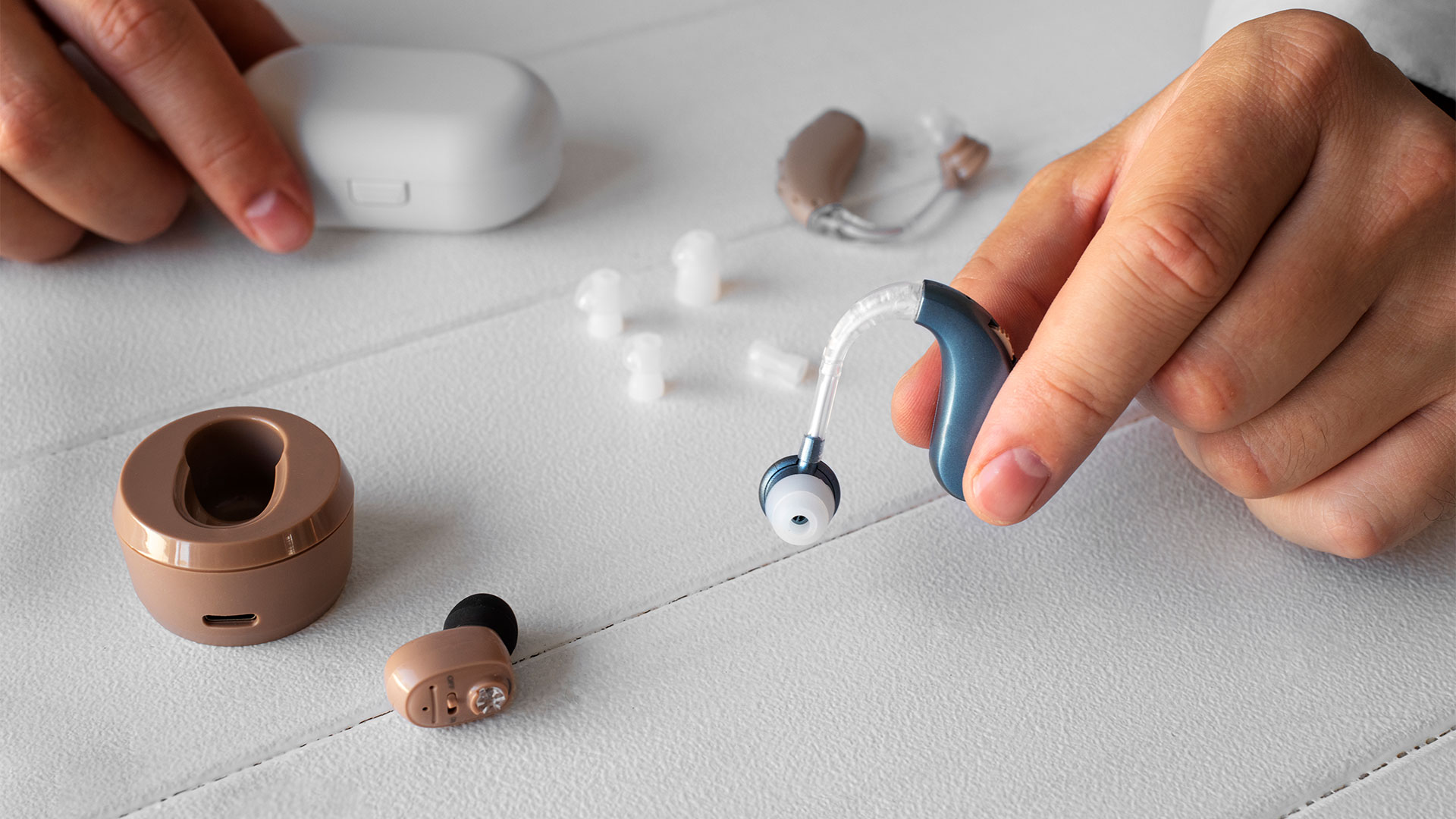
Modern hearing aids are no longer simple sound amplifiers. They are highly sophisticated microcomputers that operate continuously throughout the day in one of the most demanding environments for electronic devices—the ear canal and the area behind the pinna. Despite remarkable advances in engineering, materials, and digital signal processing, hearing clinics and patients still encounter occasional device failures and post-fitting maintenance challenges.
But why would a medical-grade processor with such advanced technology develop faults? Understanding the primary causes of hearing aid failure not only helps patients extend the lifespan of their devices but also highlights the importance of selecting a reputable manufacturer backed by a strong service infrastructure. For audiologists, reliable after-sales support is just as critical as the fitting process itself.
In this article, we examine the most common causes of hearing aid failure and discuss how proper maintenance and professional support contribute to long-term device performance.
1. Moisture and Perspiration: The Silent Enemy of Electronics
The leading cause of damage to internal circuitry, microphones, and digital processors in hearing aids is moisture ingress.
The human ear naturally generates heat and humidity. In addition, perspiration during warmer seasons, high ambient humidity in coastal regions, and rapid temperature fluctuations—which can produce internal condensation—gradually expose delicate electronic components to moisture. Over time, this may result in corrosion, oxidation of metallic contacts, and deterioration of sensitive circuitry.
To address these challenges, Unitron has incorporated advanced nano-coating technology and IP68-rated environmental protection into its modern hearing aid platforms, particularly the latest Smile platform. These protective measures significantly improve resistance against water, moisture, and dust, providing one of the highest levels of environmental protection available in the hearing care industry.
Nevertheless, daily use of a hearing aid drying system (Dry Box) remains strongly recommended to maximize device longevity and maintain optimal performance.
2. Cerumen Accumulation and Receiver Blockage
More than 70% of patients who visit hearing clinics complaining that their hearing aid has “stopped working” are not experiencing an electronic malfunction. Instead, the problem is often caused by cerumen (earwax) obstructing the sound outlet.
The ear canal continuously produces cerumen as a natural protective mechanism. This slightly acidic substance can quickly clog wax guards and protective filters. If these filters are not replaced regularly, earwax may migrate into the receiver (speaker), potentially causing permanent damage and complete receiver failure.
Routine cleaning and timely replacement of wax protection systems are among the simplest and most effective preventive maintenance practices.
3. Physical Damage and Wear of Consumable Components
Although hearing aids are engineered for everyday use, they remain highly delicate medical devices.
Common causes of physical damage include:
- Dropping the hearing aid onto hard surfaces such as ceramic or tile flooring.
- Applying excessive force when inserting a battery incorrectly.
- Pulling on the receiver wire instead of the hearing aid body in Receiver-in-Canal (RIC) models.
These handling errors can result in cracked housings, broken receiver wires, damaged battery contacts, or failure of electrical connectors.
Proper handling techniques and routine professional inspections can significantly reduce these risks.
4. Unauthorized Repairs and Non-Genuine Replacement Parts
One of the most significant challenges in the medical device market is the use of counterfeit components and unauthorized repair services.
Installing non-original receivers or having hearing aids repaired by unqualified technicians can lead to:
- Reduced sound quality
- Poor signal processing performance
- Damage to the primary amplifier and digital processor
- Increased acoustic distortion
- Potential risk to the patient’s residual hearing
For this reason, hearing aids should always be serviced using genuine manufacturer-approved components by qualified professionals with access to certified diagnostic equipment and software.
Hayat Medisa Teb: Protecting Product Authenticity and Your Investment
While occasional technical issues are an inevitable aspect of any sophisticated medical device, the true difference lies in the quality of after-sales support and service infrastructure.
As the official and exclusive distributor of Unitron hearing aids in Iran, Hayat Medisa Teb has established a comprehensive support system designed to provide confidence for both hearing care professionals and patients throughout the lifetime of their hearing aids.
One-Year Official Manufacturer Warranty
Hayat Medisa Teb provides a transparent one-year written warranty, with clearly defined coverage for both Behind-the-Ear (BTE) and custom in-the-ear hearing aids.
The warranty includes protection for critical and high-value components such as:
- Digital amplifier
- Receiver
- Other covered electronic components, according to the official warranty terms
Genuine Original Replacement Parts
All replacement components are imported directly through official authorized channels, ensuring that every repair maintains the original acoustic performance and sound quality intended by the manufacturer.
Specialized Technical Laboratory
Unitron hearing aids are diagnosed, serviced, and repaired in Hayat Medisa Teb’s dedicated technical laboratory by trained engineers using internationally approved diagnostic software, programming systems, and specialized repair equipment.
Conclusion
Modern hearing aids are remarkable examples of precision medical engineering, yet their long-term performance depends on both proper daily care and access to professional technical support.
Environmental moisture, cerumen accumulation, accidental physical damage, and unauthorized repairs remain the most common causes of device failure. Fortunately, many of these issues can be prevented through routine maintenance, appropriate handling, and regular follow-up appointments with a qualified audiologist.
Equally important is selecting a hearing aid brand supported by a reliable service network. Genuine replacement parts, certified repair facilities, and comprehensive warranty coverage play a vital role in preserving device performance, protecting the user’s hearing health, and ensuring the long-term value of this important healthcare investment.