


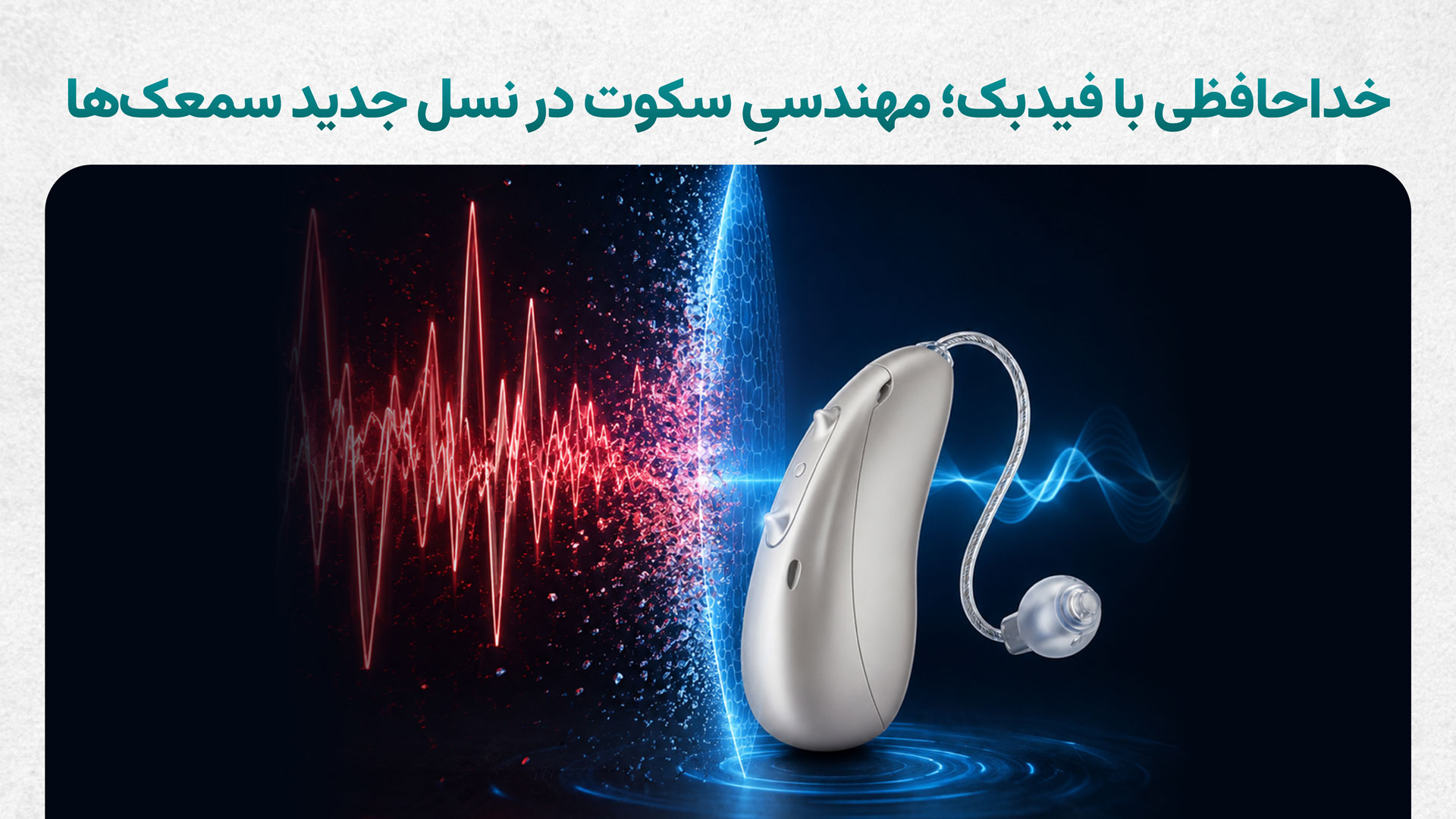
In the past, feedback—commonly perceived as the whistling or squealing sound produced by hearing aids—was one of the most significant challenges faced by hearing aid users. Beyond compromising sound quality, it often discouraged many patients from accepting and consistently using their hearing devices. However, thanks to remarkable advancements in Digital Signal Processing (DSP), feedback has become largely a problem of the past in modern smart hearing aids.
How Have Modern Technologies Eliminated Feedback?
Several key innovations have contributed to this transformation:
Adaptive Feedback Cancellation Algorithms
Today’s intelligent hearing aids can detect feedback before it becomes audible to the user. By continuously monitoring acoustic conditions and generating an inverse-phase signal (phase inversion), these systems neutralize the frequencies responsible for feedback within milliseconds, effectively preventing the characteristic whistling sound.
Intelligent Bandwidth and Gain Management
Modern hearing aids employ sophisticated signal analysis to identify and amplify only the frequencies that require enhancement. By optimizing gain distribution and avoiding unnecessary amplification, these systems significantly reduce sound leakage and minimize the likelihood of sound re-entering the microphone and creating feedback loops.
Advanced Acoustic Design and Directional Microphones
The integration of highly sensitive directional microphones, combined with precise acoustic engineering, has greatly improved the isolation between the hearing aid’s input and output pathways. This optimized design helps prevent the formation of acoustic loops, further reducing the risk of feedback generation.
At Hayat Medisa Teb, we provide specialized hearing aid repair and maintenance services to ensure that your devices continue to operate at peak technical performance. If your hearing aid still exhibits persistent feedback or unusual noise, it may indicate improper calibration, component wear, or damage within the acoustic system. Professional evaluation and servicing can help restore optimal functionality and listening comfort.


